

As you stand on the digital battlefield, it’s clear that World of Warcraft has woven its narrative into the very fabric of esports, stitching together a tapestry of competition that sprawls beyond the confines of Azeroth. You’ve witnessed the rise of esports, but maybe you haven’t fully grasped the role that WoW has played in shaping this rapidly growing industry. With its intricate team strategies and high-stakes tournaments, WoW has not only sustained its presence but has also expanded the definition of competitive gaming. As you consider the magnitude of its influence, remember that this is a realm where fantasy meets reality, and the impacts are as tangible as the keyboard under your fingertips. Join us as we explore the strategies, the stories, and the statistics that underscore WoW’s undeniable legacy in esports, and consider how its trajectory might forecast the future of competitive gaming.
Origins of WoW in Esports
Diving into the competitive scene, World of Warcraft (WoW) made its esports debut with the Arena World Championship in 2007, quickly becoming a cornerstone of the gaming tournament world. You’ve seen how Activision Blizzard, the parent company of Blizzard Entertainment, transformed WoW’s massive online player base into a new audience for competitive gaming. It wasn’t just about questing and raids anymore; it was about player vs player (PvP) prowess and the clash of the best.
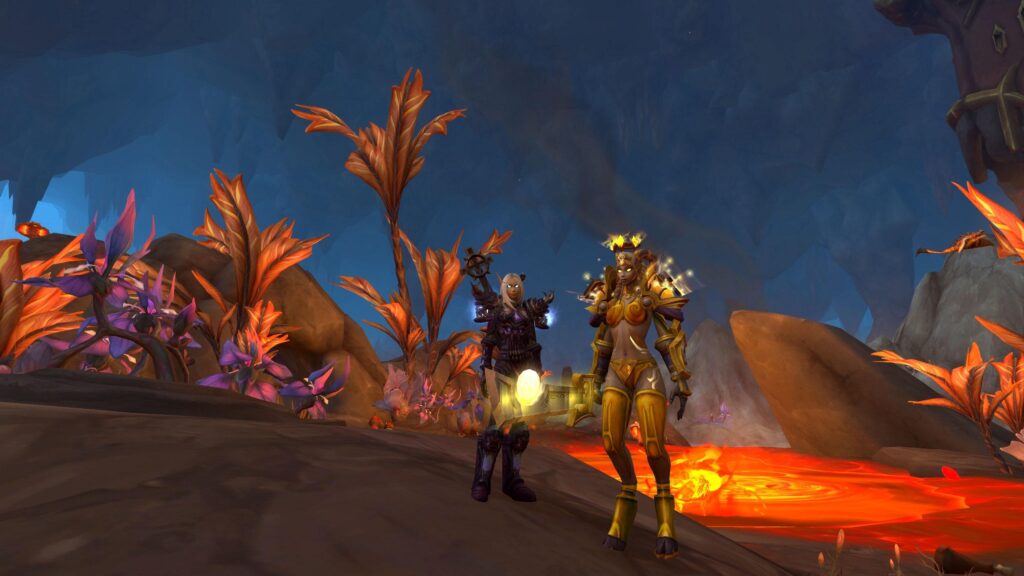
As you immerse yourself in WoW’s virtual world, you contribute to the game’s economy and community, which are vital to the esports ecosystem. The Arena World Championship was more than a tournament; it was a statement by the gaming industry that WoW was ready to be taken seriously as a competitive platform.
You’ve watched as teams from around the globe competed for glory and significant prize pools, demonstrating their strategic acumen and swift in-game reflexes. The success of WoW in the esports arena showcased the potential for MMORPGs (Massively Multiplayer Online Role-Playing Games) in a space dominated by shooters and MOBAs. It set a precedent and carved a niche for itself, impacting the trajectory of esports within the gaming industry.
WoW’s Competitive Landmarks
Building on its initial splash in the esports world, WoW has since established several competitive landmarks that have shaped its legacy in the arena. Much like League of Legends redefined competitive scenes in video games, WoW carved out a niche that resonated with both hardcore players and a broader audience. You’ve seen the rise of the WoW Arena World Championship, a testament to the game’s enduring popularity and its ability to foster a vibrant, competitive community.
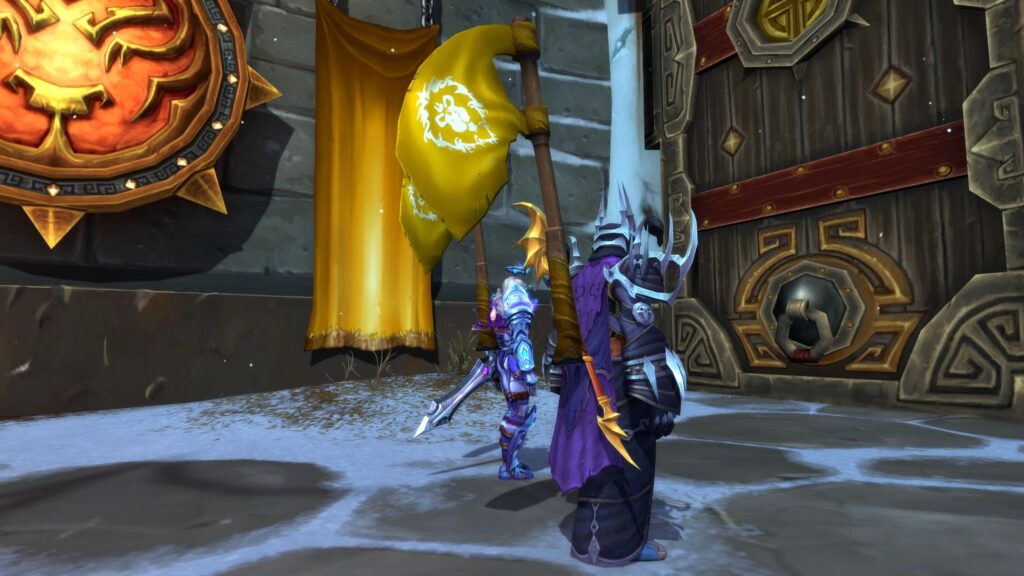
This isn’t just any online game; it’s a popular game that’s managed to stay relevant in an ever-changing industry. With the introduction of the Mythic Dungeon Invitational (MDI), WoW expanded its esports repertoire, offering a different flavor of competition that further cemented its standing among online games with robust esports ecosystems. The MDI showcases teams racing against the clock in dungeons, a format that’s both viewer-friendly and adrenaline-pumping for the participants.
Over the years, the prize pools have grown, indicating a healthy investment in WoW esports and a commitment to nurturing its competitive scene. You’ve witnessed WoW’s evolution from just another MMORPG to a cornerstone of the esports industry, a journey that’s mirrored the growth of esports as a whole.
The Rise of MDI and AWC
As you’ve seen, WoW’s Mythic Dungeon Invitational (MDI) and Arena World Championship (AWC) have become pillars of its esports success, drawing in competitors and spectators alike with their unique and engaging formats. The MDI showcases teams racing against time to conquer dungeons, testing their strategic prowess and teamwork to the limit. It’s a heart-pounding spectacle that’s not just about speed but also about precision and adaptability.
Similarly, the AWC is an intense display of PvP skills where teams of players face off in arenas, requiring quick reflexes and deep knowledge of various class abilities and synergies. The coordination and mind games elevate the AWC to more than just a brawl; it’s a chess match at lightning speed.
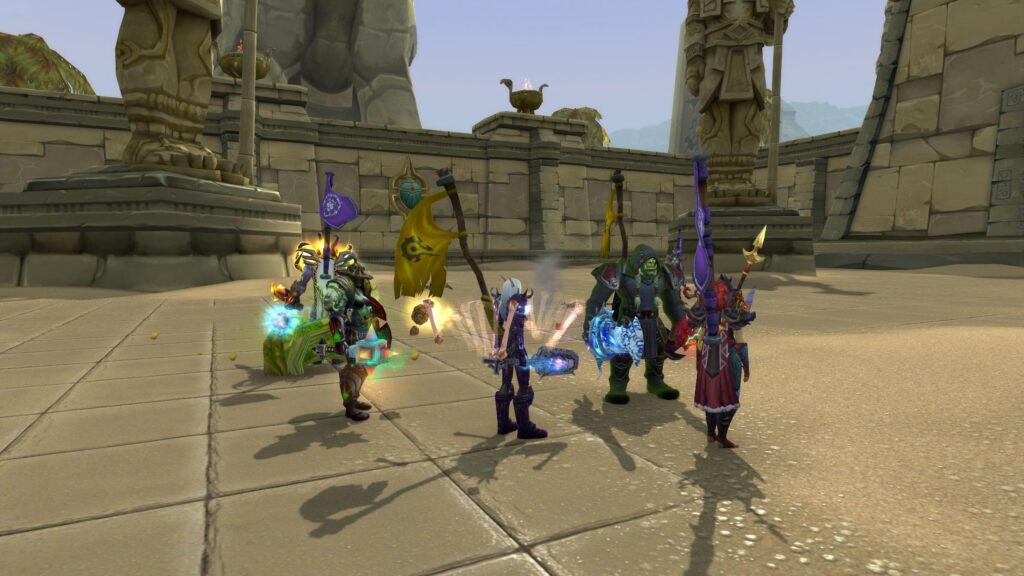
Both competitions have grown in size and popularity, with prize pools that reflect their prestige within the WoW community and beyond. They’ve not only enriched the game’s competitive scene but also solidified WoW’s position in the broader esports industry. They offer a platform for the most skilled players to shine and have become events that you don’t want to miss. Whether you’re a seasoned veteran or new to the scene, the rise of MDI and AWC is a phenomenon that’s reshaping the landscape of esports.
Esports Economy and WoW
You’ve likely noticed that World of Warcraft’s foray into esports has significantly bolstered the industry’s economy, with its prize pools and sponsorship deals becoming increasingly lucrative. The Mythic Dungeon International (MDI) and the Arena World Championship (AWC) have become cornerstones of WoW esports, drawing in hefty financial support. This support doesn’t just come from Blizzard Entertainment; it’s also fueled by external sponsors who see the value in attaching their brands to these popular events.
For you as a fan or a potential competitor, this means there’s real money on the table. Players who’ve honed their skills can vie for a slice of the prize pools that have soared into the hundreds of thousands of dollars. And it’s not just the champions who reap the benefits. The economic ripple effect extends to casters, streamers, event organizers, and even merchandising opportunities. WoW’s esports success has created jobs and sustained careers within the gaming community.
Additionally, the influx of sponsorship deals has led to more polished productions and events. You’re getting higher-quality broadcasts, with top-notch commentators and analysts breaking down the action. It’s a win-win: the game’s visibility increases while you enjoy a more immersive and professional viewing experience. WoW’s impact on the esports economy is a testament to the game’s enduring popularity and its ability to adapt to the evolving landscape of competitive gaming.
Future of WoW in Esports
Looking ahead, World of Warcraft’s role in esports seems poised for evolution, with innovations and community engagement guiding its trajectory. You’ve seen WoW grow from a massively popular MMORPG into a competitive esports title through formats like the Arena World Championship and the Mythic Dungeon International. But what’s next?
As you consider WoW’s future in esports, you’ve got to pay attention to several key factors that’ll shape its path forward:
- Expansion Releases: New content drives excitement and can revitalize the competitive scene.
- Balance Changes: Class and ability tweaks can shift the meta, keeping the game fresh for players and viewers.
- Community Initiatives: Grassroots tournaments and player-led events can supplement official Blizzard esports activities.
- Technological Enhancements: Improved streaming capabilities and in-game spectating features could enhance the viewer experience.
- Prize Pool Growth: Increased financial incentives could attract and retain top-tier talent.
What’s clear is that you’re likely to see a concerted effort by Blizzard to keep WoW relevant in the ever-changing esports landscape. Whether through bigger prize pools, more frequent updates, or deepening community ties, there’s a sense that WoW’s esports presence will adapt and perhaps even expand in the years to come.
Frequently Asked Questions
How Has the Integration of Streaming Platforms Like Twitch and Youtube Influenced the Viewership and Community Engagement of Wow Esports?
You think streaming’s just for cat videos, but Twitch and YouTube have actually boosted WoW Esports’ viewership, making every arcane blast and rogue vanish a shared spectacle, keeping you glued to your screen.
What Role Have Player-Created Tournaments and Community Events Played in Sustaining Interest in Wow Esports During Periods Between Official Blizzard-Run Competitions?
You’ve seen how player-run tournaments and events keep WoW esports alive during lulls. They foster a tight-knit community, ensuring there’s always competitive play to watch and participate in, even off-season.
How Does the Balance and Design of New World of Warcraft Expansions Impact the Competitive Scene, Particularly in Terms of Class Viability and Meta Shifts?
You’ll find that new WoW expansions shake up the competitive scene, affecting which classes are strong and shifting the meta, forcing you to adapt your strategies and team compositions to stay on top.
In What Ways Have Professional Wow Esports Players Transitioned Their Skills Into Careers Beyond Competitive Play, Such as Coaching, Content Creation, or Game Development?
Imagine you’re a pro WoW player who’s hung up their raiding gloves. You’ve pivoted to streaming, sharing your in-game strategies, and now inspire thousands with your journey from esports to influential content creator.
How Has the Representation and Diversity Within the Wow Esports Community Evolved Over Time, and What Initiatives Has Blizzard Entertainment Taken to Foster an Inclusive Environment for Competitors and Fans?
You’ve seen WoW esports grow more diverse, with Blizzard launching initiatives to ensure inclusivity for competitors and fans, making the community a richer, more welcoming space for everyone.
Read my other World of Warcraft Articles!
Leave a Reply