

Few games understand motivation like World of Warcraft. For nearly two decades, players have logged in not just to play, but to progress—to feel that slow, satisfying climb toward mastery. The grind, once mocked as tedious, remains the heartbeat of Azeroth’s design. Every bar filled, every boss defeated, every mount earned delivers a dopamine rush as familiar as it is addictive.
This article explores the psychology behind WoW’s enduring progression systems—and why the grind still feels so deeply rewarding in 2025.
The Illusion of Endless Growth
Progression in WoW is designed like an infinite staircase. Each step feels attainable, yet the top is always just out of reach. Blizzard mastered the art of incremental rewards—experience bars, weekly chests, and reputation ranks—all carefully spaced to keep effort and satisfaction in perfect balance. Players are never done, but they’re never stuck. This rhythm creates purpose in play, giving meaning even to repetition.
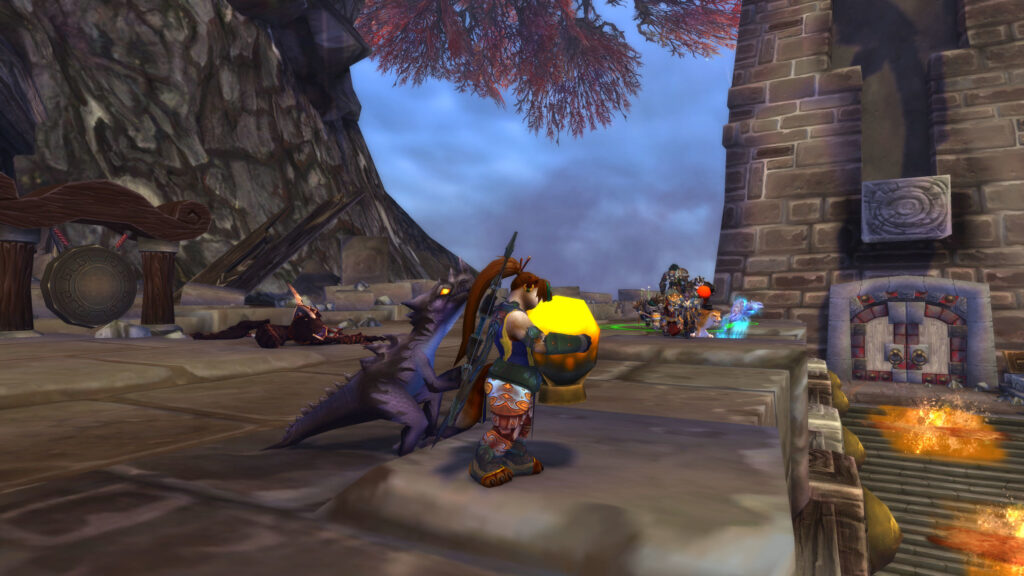
In WoW, the grind isn’t punishment—it’s promise.
The Dopamine Loop of Reward
Every completed quest or dropped item triggers the same neurological response as real-world achievement. The brain releases dopamine, reinforcing behavior through satisfaction. Blizzard layers this loop with sound, color, and animation—the ding of a level-up, the sparkle of a new item. These micro-celebrations turn progress into ritual. Over time, the grind becomes comfort—a daily rhythm of small victories.
Players don’t chase loot—they chase the feeling of progress.
The Role of Uncertainty
Not every reward in WoW is guaranteed—and that’s precisely why it’s exciting. Random drops, rare spawns, and limited events fuel anticipation. Psychologically, this variable reinforcement schedule mirrors the thrill of gambling, but with purpose. The uncertainty makes every success sweeter, every disappointment motivating. The next kill could always be the one. And that hope is the heartbeat of the grind.
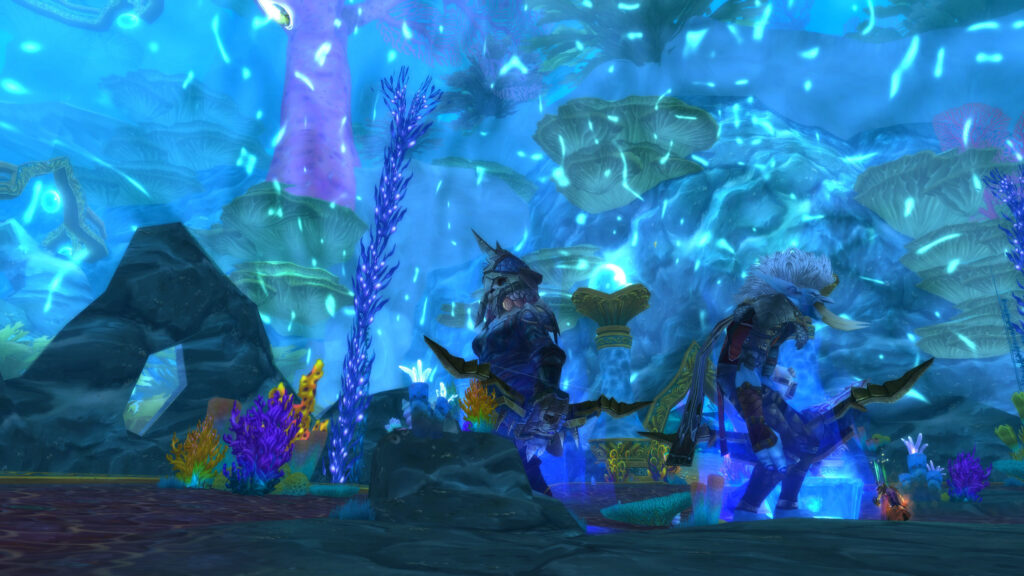
In Azeroth, patience and luck are two sides of the same coin.
- Loot RNG: Keeps engagement high by rewarding persistence.
- Mount Drops: Combine rarity with visual prestige for emotional payoff.
- Weekly Lockouts: Create anticipation through controlled scarcity.
- Seasonal Rewards: Merge time pressure with progression urgency.
- Achievements: Add intrinsic motivation—progress for pride, not prizes.
The Social Dimension of Progress
Progression in WoW isn’t purely personal—it’s social validation. Players display mounts, titles, and gear like achievements in a digital gallery. Each upgrade becomes a social signal, a story of time invested. Guildmates, friends, and rivals all serve as mirrors that reflect one’s journey. The grind becomes not just advancement, but belonging. In this way, progress transforms isolation into community.
Every reward carries prestige, and prestige builds purpose.
Designing for Flow
WoW’s systems are engineered around the psychology of “flow”—the balance between challenge and skill. Tasks are neither too easy to bore nor too hard to frustrate. Whether it’s leveling, crafting, or raiding, the game keeps players in that ideal mental zone of engagement. This consistency turns hours into minutes, transforming what might seem like grinding into immersion.
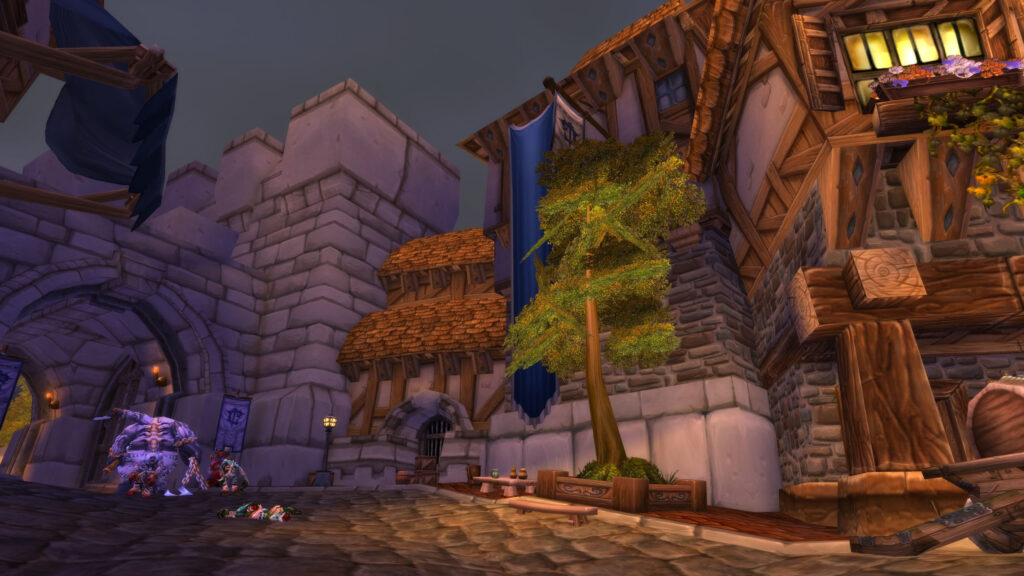
In the rhythm of repetition, players find peace.
Modern Progression and Player Freedom
Modern expansions like Dragonflight and The War Within reinvent progression through flexibility. Systems such as Renown, Warbands, and Delves offer multiple paths to advancement. Players choose their grind—story, cosmetics, or challenge. This autonomy deepens engagement, turning progression from obligation into expression.
The grind no longer traps players—it empowers them.
Conclusion
WoW’s progression endures because it taps into something primal: the joy of steady improvement. Behind every bar filled and chest opened lies a carefully tuned emotional reward system—a balance of patience, purpose, and pride. The grind still feels good because it reflects life itself: work, reward, repeat. And in that cycle, players don’t just grow stronger in-game—they find satisfaction in mastery, no matter the form it takes.
Because in Azeroth, the journey never ends—it only evolves.
Leave a Reply