

World of Warcraft (WoW) offers an expansive crafting and gathering system that allows players to gather resources and create items that are essential for both personal use and the economy of Azeroth. Whether you’re a new player or a veteran adventurer, understanding these systems is crucial for maximizing your potential and enhancing your gameplay experience. In this article, we will break down the key aspects of WoW’s crafting and gathering systems, exploring how they work, their benefits, and the opportunities they present for players.

The Basics of Crafting in WoW
Crafting in WoW involves the creation of items that can improve your character’s power, provide useful consumables, or contribute to the economy by being sold or traded. Players can choose professions to specialize in, each offering unique crafting recipes and benefits. Some of the most common crafting professions include Blacksmithing, Alchemy, Tailoring, Engineering, and Enchanting.
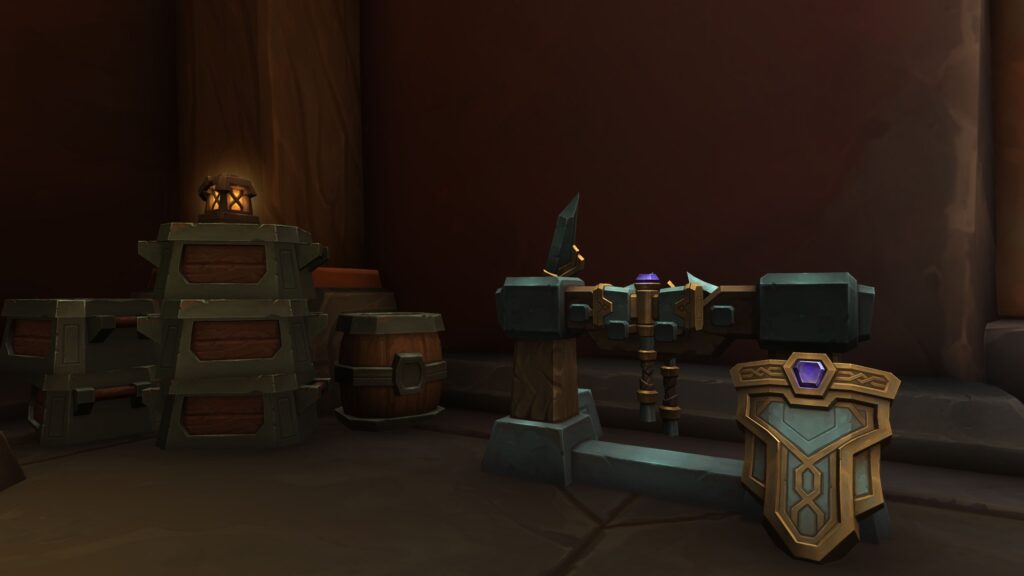
Each profession requires raw materials, such as ores, herbs, leathers, or cloth, which are gathered from the world or through gathering professions. Once you have the necessary materials, you can use your crafting profession to turn them into usable items. Some crafted items are essential for endgame content, such as high-level gear, potions, or gems, while others are useful for leveling, personal progression, or trading with other players.
The Gathering Professions
Gathering professions play an essential role in WoW’s crafting ecosystem. These professions allow players to gather raw materials from the world of Azeroth, which are then used for crafting. The three primary gathering professions are Mining, Herbalism, and Skinning.
Mining allows players to gather ores from nodes throughout the world, which are then smelted into bars for use in Blacksmithing and Engineering. It also provides gems that can be used in Jewelcrafting.
Herbalism enables players to gather herbs, which are primarily used in Alchemy for crafting potions and flasks. Herbs are also used in Inscription to craft glyphs and in other professions to craft useful items like bandages.
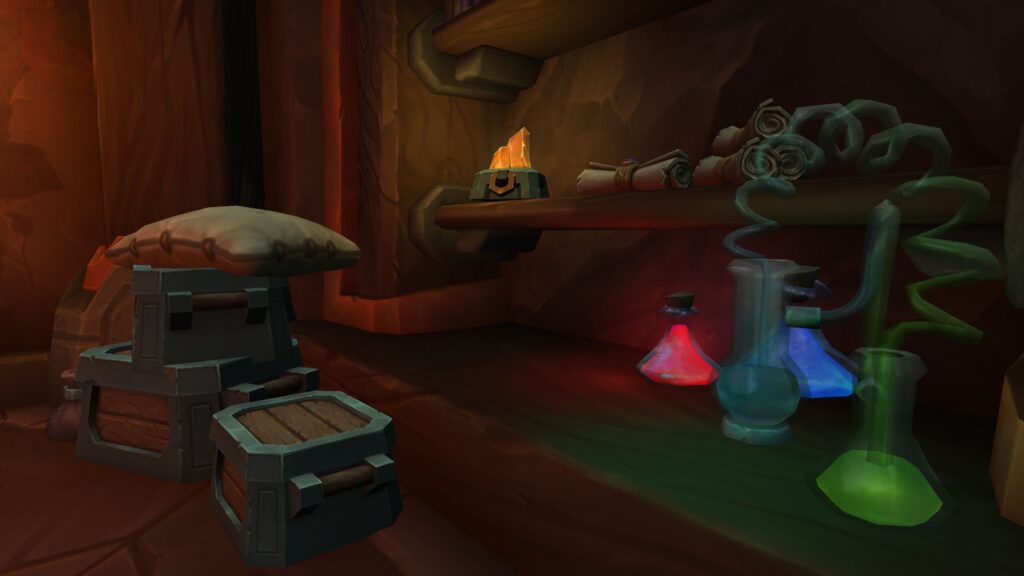
Skinning involves collecting hides and leathers from slain beasts, which are used in Leatherworking to create armor, bags, and other crafted goods. Skinning is often paired with other crafting professions like Leatherworking for optimal synergy.
Choosing the Right Professions for Your Playstyle
Choosing your crafting and gathering professions depends on your playstyle, goals, and the needs of your character. Here are a few tips to help you decide:
- Solo Players: If you prefer to play solo and focus on self-sufficiency, professions like Alchemy (for potions and flasks) or Engineering (for useful gadgets and tools) might be ideal. Pair these with gathering professions like Herbalism or Mining to gather the resources you need without relying on other players.
- Raiders and High-End Players: If you’re focused on maximizing your raid potential, consider professions that provide endgame benefits like crafting high-tier gear, potions, or flasks. Tailoring and Blacksmithing are great choices for this, while Herbalism and Mining can support your crafting efforts.
- Economically-Oriented Players: For those interested in profiting from the in-game economy, gathering professions such as Mining, Herbalism, and Skinning are useful for collecting valuable materials. You can then craft and sell the items you create or gather resources to sell directly on the Auction House.
Maximizing Your Crafting and Gathering Efficiency
To get the most out of your crafting and gathering professions, it’s important to be as efficient as possible. Here are some tips:
- Use Gathering Routes: Efficient gathering routes can save you time when farming materials. There are many resources and guides available online that provide optimized routes for gathering herbs, ores, and skins.
- Level Up Your Professions: Maxing out your crafting and gathering professions allows you to craft the best items and gather rare resources. Be sure to complete quests that reward you with recipes and profession experience, and always keep an eye out for materials that can level up your skills.
- Invest in Useful Items: Some items, like the Goblin Glider Kit or the Traveler’s Tundra Mammoth, can make gathering and crafting more efficient. These items can help you reach distant locations or reduce the time spent traveling, maximizing your productivity.
The Economic Impact of Crafting and Gathering
Crafting and gathering are essential to WoW’s economy, allowing players to create and sell a wide range of goods, from low-level gear to high-end raid consumables. The Auction House is the hub of the economy, where players can list their crafted goods or raw materials for sale. A strong understanding of supply and demand is crucial for players looking to make a profit. For example, the price of certain materials can fluctuate depending on the demand for consumables in a given patch or expansion.

Crafting can also be a social activity in WoW. Many guilds rely on crafted gear for their raids, and crafting goods can be a key way to contribute to your guild’s success. You may also find it beneficial to specialize in rare recipes or items that are in high demand for crafting, which can provide valuable income and contribute to the overall community.
Conclusion
Crafting and gathering are integral to World of Warcraft, offering players the ability to create valuable items, support their playstyle, and contribute to the economy. By selecting the right professions, maximizing efficiency, and understanding the economic impact, you can make the most of these systems and enrich your WoW experience. Whether you’re crafting high-end gear for your raid or collecting materials to sell on the Auction House, the crafting and gathering systems provide countless opportunities for success in Azeroth.
Home
Leave a Reply